The short answer
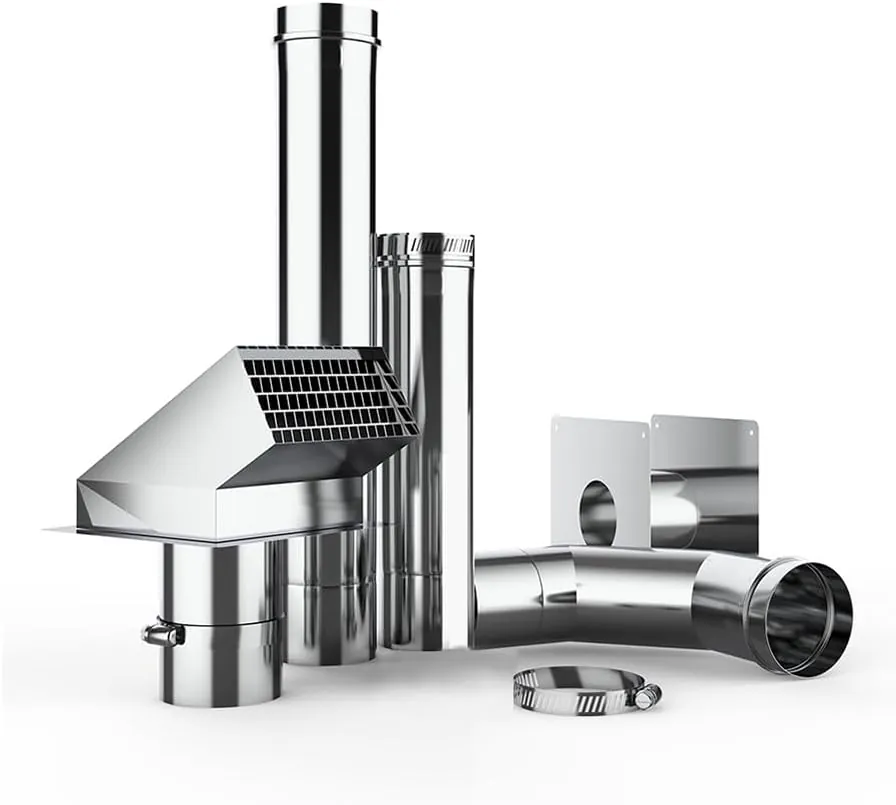
Venting follows the heater, not preference. Condensing units run cool exhaust and vent in the plastic their manual lists. Non-condensing indoor units run hot exhaust and need the maker's listed system, usually stainless. Outdoor units vent from the cabinet. A concentric termination runs intake air and exhaust through one wall or roof opening, one pipe inside the other.
Rules that come from the manual
- Vent material and brand, where the manual names one.
- Maximum vent length and number of elbows.
- Clearances from windows, doors and other openings.
- Termination type: horizontal, vertical or concentric.
Parts in the catalog
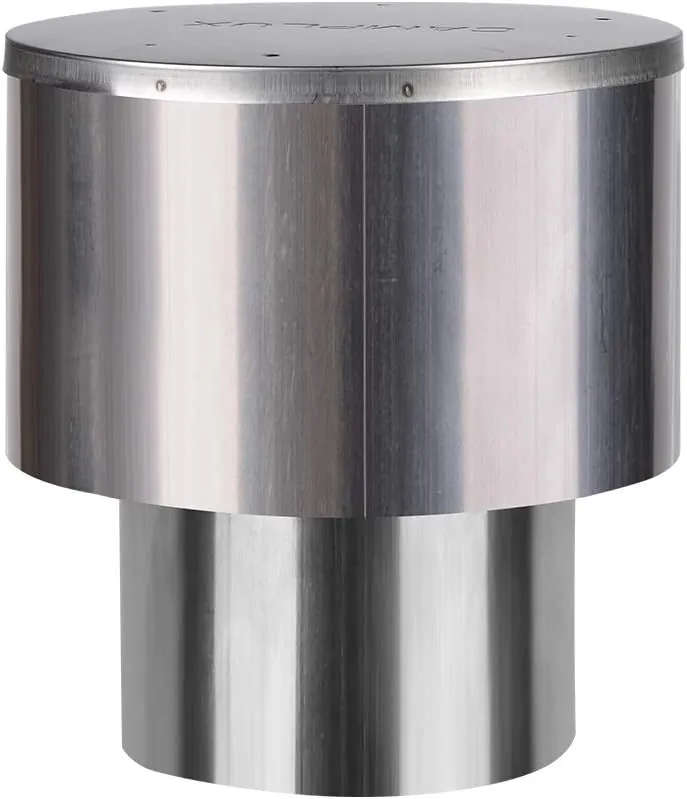
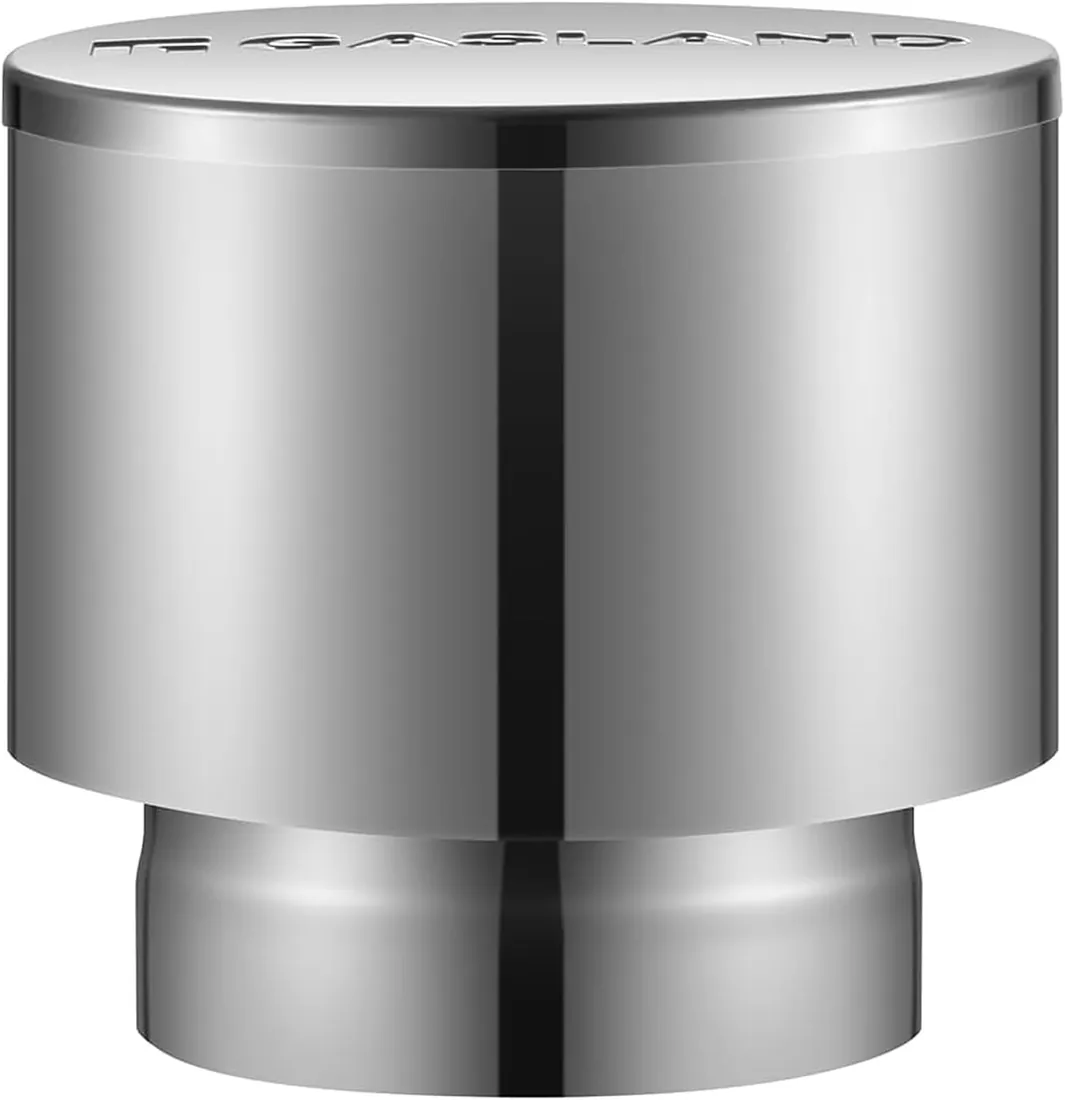
Vent kits, terminations and pipe sections: Camplux BD158 Rain Cap, Camplux VP70T Wall Thimble and GASLAND BS158 Rain Cap.
Products mentioned
Questions readers ask
Can I vent a tankless water heater with PVC?
Only if its manual allows it, which is the case for most condensing units. Non-condensing indoor units need the vent material their manual lists.