The short answer
A tankless heater's output is fixed by its input; what changes in winter is how far it has to lift the water. With 72°F summer water a unit lifts 48°F to reach 120°F; with 47°F winter water it lifts 73°F, so its flow falls by about a third. Too many fixtures at once then come out lukewarm.
The arithmetic
| Inlet | Rise to 120°F | GPM |
|---|---|---|
| 37°F | 83°F | 4.6 |
| 47°F | 73°F | 5.2 |
| 57°F | 63°F | 6.0 |
| 67°F | 53°F | 7.1 |
| 72°F | 48°F | 7.9 |
Fixes
- Run fewer fixtures at once on the coldest days.
- Fit low-flow showerheads: WaterSense heads use 2.0 GPM or less.
- Lower the set point a few degrees if it is above what you need.
- For a lasting fix, a larger unit or two units in parallel; size on your winter rise.
Check the basics
A clogged inlet filter or scaled heat exchanger also cuts flow; flushing on the maker's schedule keeps the unit at its rated output.
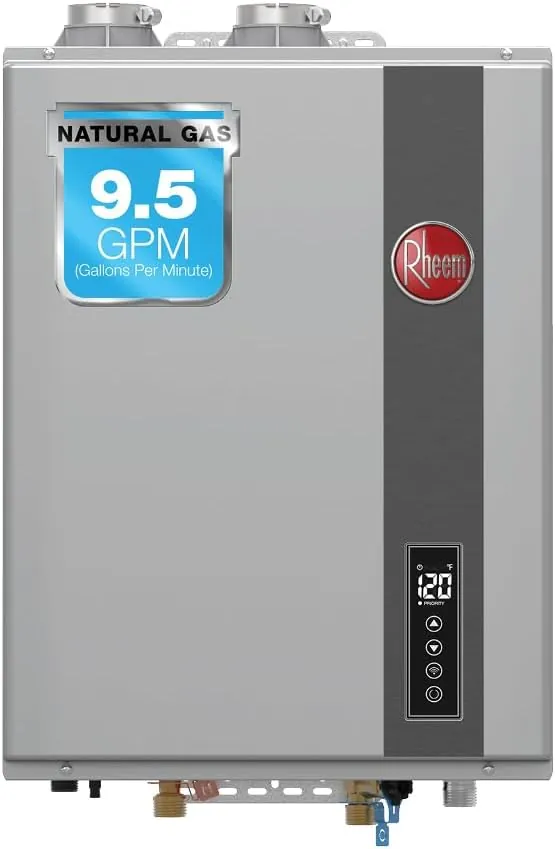
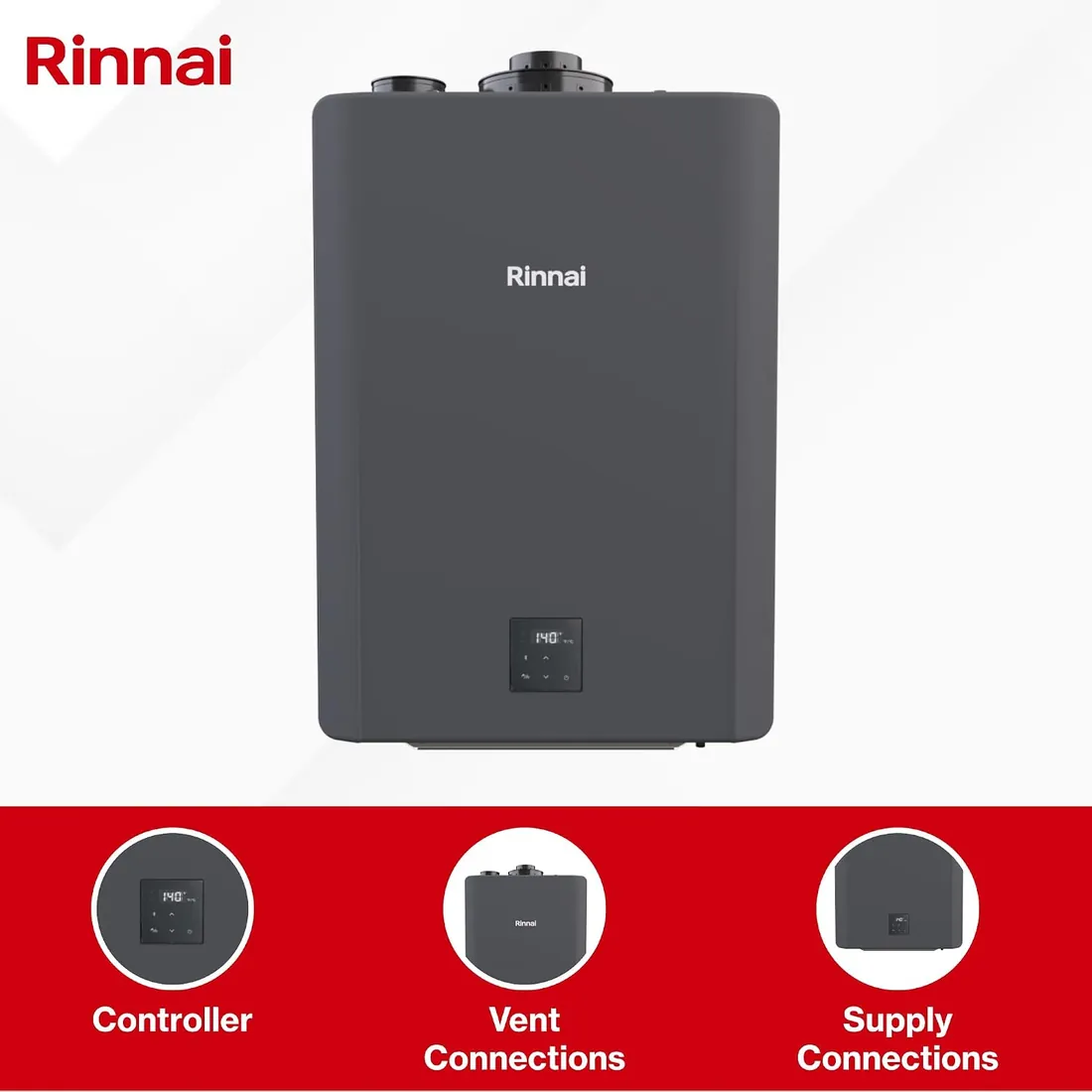
Products mentioned
Questions readers ask
Why does my tankless water heater go cold when two showers are on?
The combined flow is more than the unit can lift to your set point at today's inlet temperature. In winter the rise is larger, so the same flow arrives cooler.