The short answer
A tankless heater lifts incoming water to its set point; the gap is the temperature rise. With a 120°F set point and 55°F ground water, the rise is 65°F, the Noritz sheet's worked example. Every flow rating applies at a rise: Lochinvar's chart, for example, lists a unit's flow from a 30°F rise to a 100°F rise, and the flow at a 100°F rise is about a third of the flow at 30°F.
Find your rise
- Set point: usually 120°F; check your unit.
- Inlet: measure the cold water at a tap in winter, or read your zone on a maker's ground-water map (about 35°F to 77°F across the US).
- Rise = set point minus inlet.
Why the box figure misleads
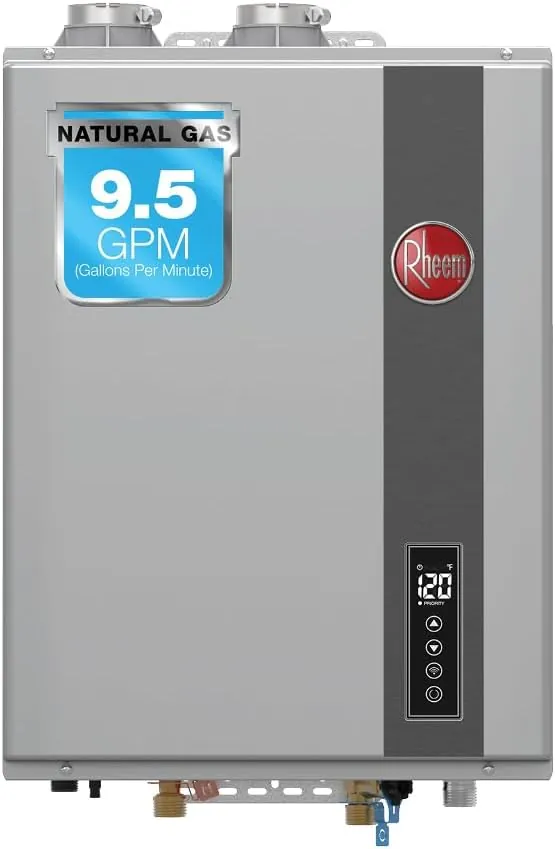
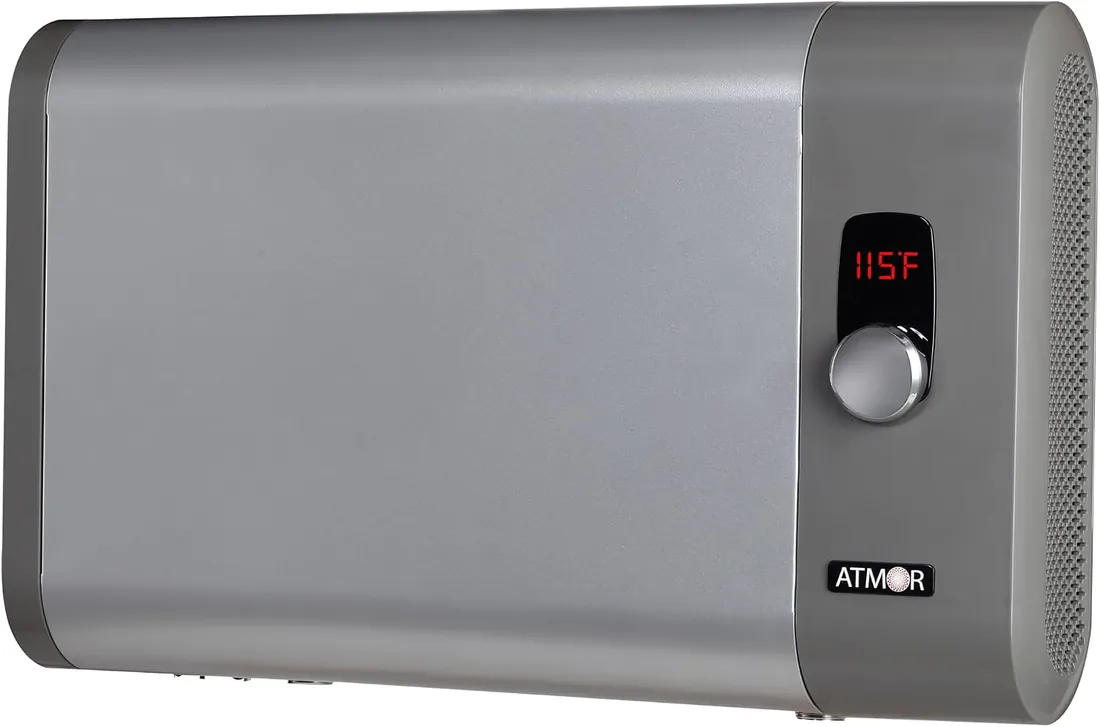
A maximum flow on a listing is usually measured at a small rise. Compare units at your own winter rise; our planner and every product page do that from the unit's input.
Products mentioned
Questions readers ask
What is a good temperature rise for a tankless water heater?
There's no good or bad rise; it's set by your climate and set point. Size the unit for the largest rise you'll see, usually in January.